
The Underground Passage
Washington BlackThis thread follows Edgar Farrow’s hidden aid to fugitives and Washington Black’s decision to refuse the route to freedom offered through the underground passage.
increasing Bearing strength in each event
 decreasing
Bearing strength in each eventdecreasingThe Sexton’s Shelter
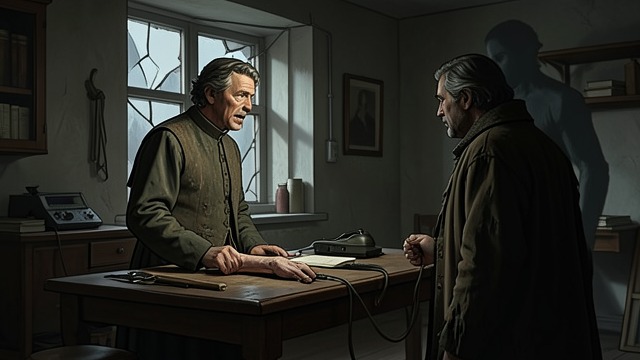
The Sexton’s Shelter
A Strange Welcome
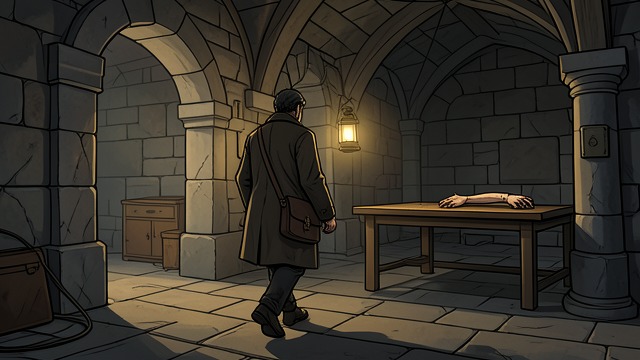
After reaching Virginia, Titch and Washington seek shelter with Edgar Farrow, a church sexton and scholar of bodily decay. His house is unsettling: a dissected arm lies in his study, and he speaks about the dead with a mixture of scientific curiosity and spiritual language.
Despite Washington’s mistrust, Farrow offers them food and a place to stay. His manner makes the refuge feel uncertain, but his willingness to hear about the bounty and the danger pursuing Washington gives the visitors a reason to remain long enough to learn more.
An Unexpected Purpose
At night, Farrow leads Washington through an opened grave into a concealed passage beneath the church. The grave is not simply a burial place but an entrance to a hidden chamber where two fugitives, Adam and Ezekiel, are preparing to travel north.
The secret route reveals a practical network beneath the ordinary landscape. Farrow’s public role as sexton conceals his participation in helping people escape, while the language of graves and resurrection turns an escape corridor into a symbolically charged passage toward another life.
Adam and Ezekiel
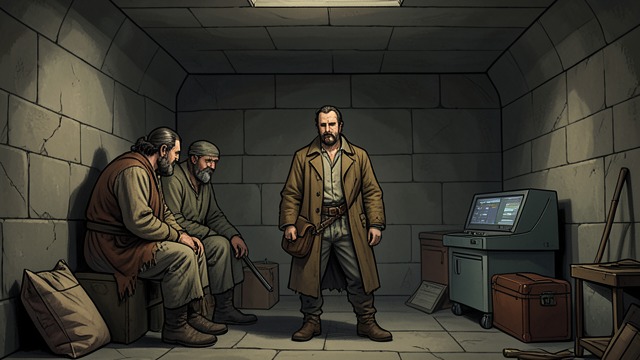
Adam and Ezekiel
Fugitives in Hiding
Adam and Ezekiel are concealed beneath the church while they wait for the moment to travel north. Their guarded silence reflects the risks of being discovered, and Washington recognizes in their posture the fear he has known since childhood.
Farrow and Titch explain that the men hope to reach Upper Canada, where an emancipation law will free enslaved people upon arrival. The destination offers a legal possibility of safety, but neither the passage nor the journey is free from danger.
A Route Offered
Titch tells Washington that he should go with the fugitives because remaining near Titch will keep him within reach of Erasmus and the bounty hunters. The recommendation is meant to protect him, but Washington hears it as a decision made on his behalf.
His reaction shows how deeply freedom has come to mean control over his own direction. The men’s escape plan is real and potentially life-saving, yet Washington cannot accept it as his path merely because others believe it is safest.
The Choice of North
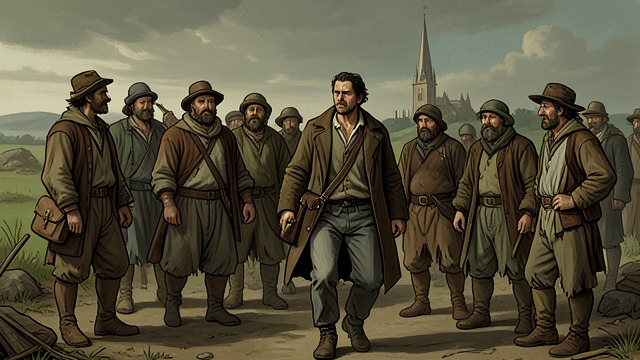
The Choice of North
Safety or Fidelity
Titch presses Washington to travel north with Adam and Ezekiel, arguing that the fugitives can disappear among communities in Upper Canada. Washington understands the danger of staying, but the proposal feels like another separation decided by someone with greater power.
His history with Titch makes the choice more than a question of geography. Titch rescued him from Faith, taught him, and became the center of his new life; the prospect of being sent away reawakens Washington’s fear that care may end in abandonment.
Claiming the Decision
Washington insists that if he is a freeman, he must be able to choose where he goes, even if his choice carries risk. He elects to accompany Titch toward the Arctic rather than join the fugitives going north.
The decision is not presented as the safest or wisest course. It is a claim to agency shaped by gratitude, attachment, fear, and an incomplete understanding of what lies ahead. In retrospect, Washington continues to wonder what became of Adam and Ezekiel and what his own life might have been had he gone with them.
The Northbound Law
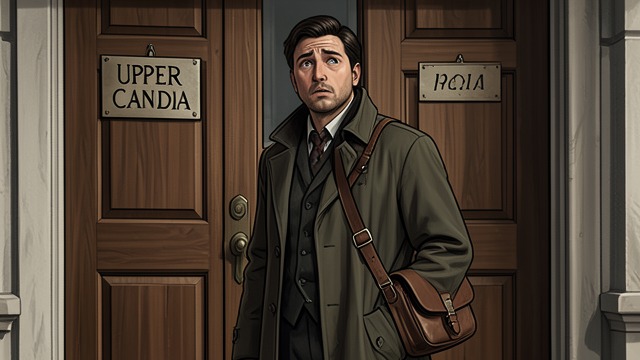
The Northbound Law
A Legal Doorway
Farrow explains that people who reach Upper Canada can claim freedom under an existing law. The information gives Adam and Ezekiel a destination more concrete than rumor: crossing into another jurisdiction can change their legal status.
For Washington, the law makes freedom appear geographically reachable, but not universally secure. He has already experienced how the same word means different things in different places, and he knows that a legal promise does not erase the danger of pursuit or the difficulty of beginning again.
The Meaning of Arrival
The northbound route is at once a practical escape plan and a measure of what Washington is being offered. Adam and Ezekiel intend to use it; Washington refuses it because he chooses to remain with Titch, not because he believes the law is false.
The episode distinguishes freedom as a legal condition from freedom as self-determination. The law can open a path, but it cannot decide which path Washington must take, nor guarantee that any chosen destination will provide belonging or safety.
An Unfinished Escape
An Unfinished Escape
The Unchosen Route
Washington and Titch leave Virginia without Adam and Ezekiel, heading toward the Arctic to find Sir James Wilde. The underground chamber and its escape plan remain behind them, while Washington carries the knowledge that another life was available and deliberately declined.
The narrative does not follow the fugitives to their destination. Their unresolved fate preserves the uncertainty Washington later expresses about whether they reached freedom and what choices they made once they arrived.
Memory as Measure
Years afterward, Washington revisits the decision and wonders what became of the two men. He recognizes that the choice to stay with Titch was his, but does not treat that fact as proof that it was uncomplicated or consequence-free.
The episode remains a quiet counterfactual within his story: a route toward collective refuge that might have offered a different kind of safety. Its absence from the later narrative underscores how escape can open possibilities without guaranteeing a home or a settled sense of freedom.
1832, after Washington and Titch reach Virginia
The night before the fugitives’ planned departure from Virginia
During Washington’s final conversation with Titch in the underground chamber
During Titch and Washington’s stay with Edgar Farrow
After Washington leaves Edgar Farrow’s refuge
